Where do LGBTQ+ people come from?
2018-02-14
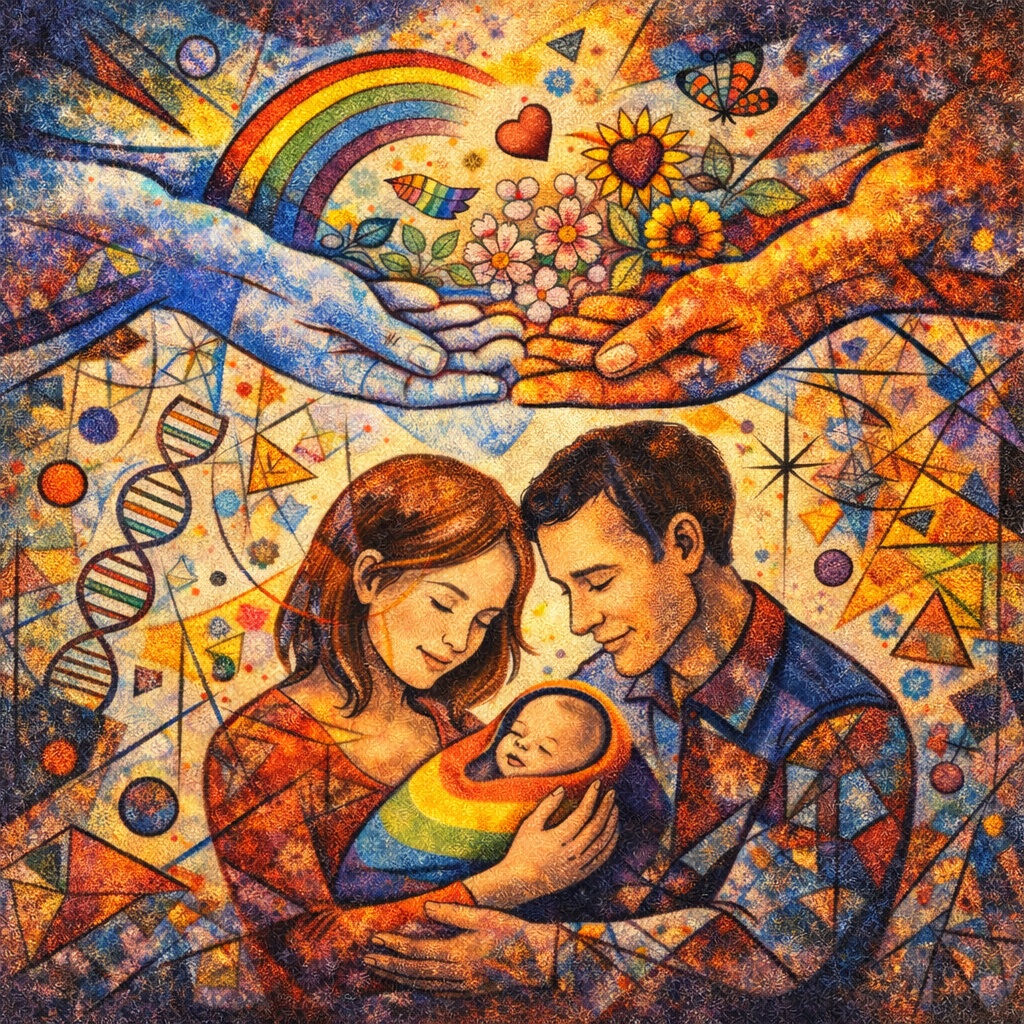
From the same place as everyone else 🙂 The Creator brings all of us into this world in the same way — through our parents. So why do some people grow up with traditional views, while others turn out to be LGBTQ+? Simply because the world itself is incredibly diverse. Just look around — how many different forms, colors, and paths exist. That is where LGBTQ+ people come from: we are all created different, and we continue to become different throughout our lives. Again and again, the Creator tests our ability to be kind and tolerant toward one another. It is no coincidence that the most prosperous societies are also the most tolerant ones. The Creator rewards — both spiritually and materially — those who truly love their neighbor as themselves.
How can I accept that my child is LGBTQ+?
2018-02-03
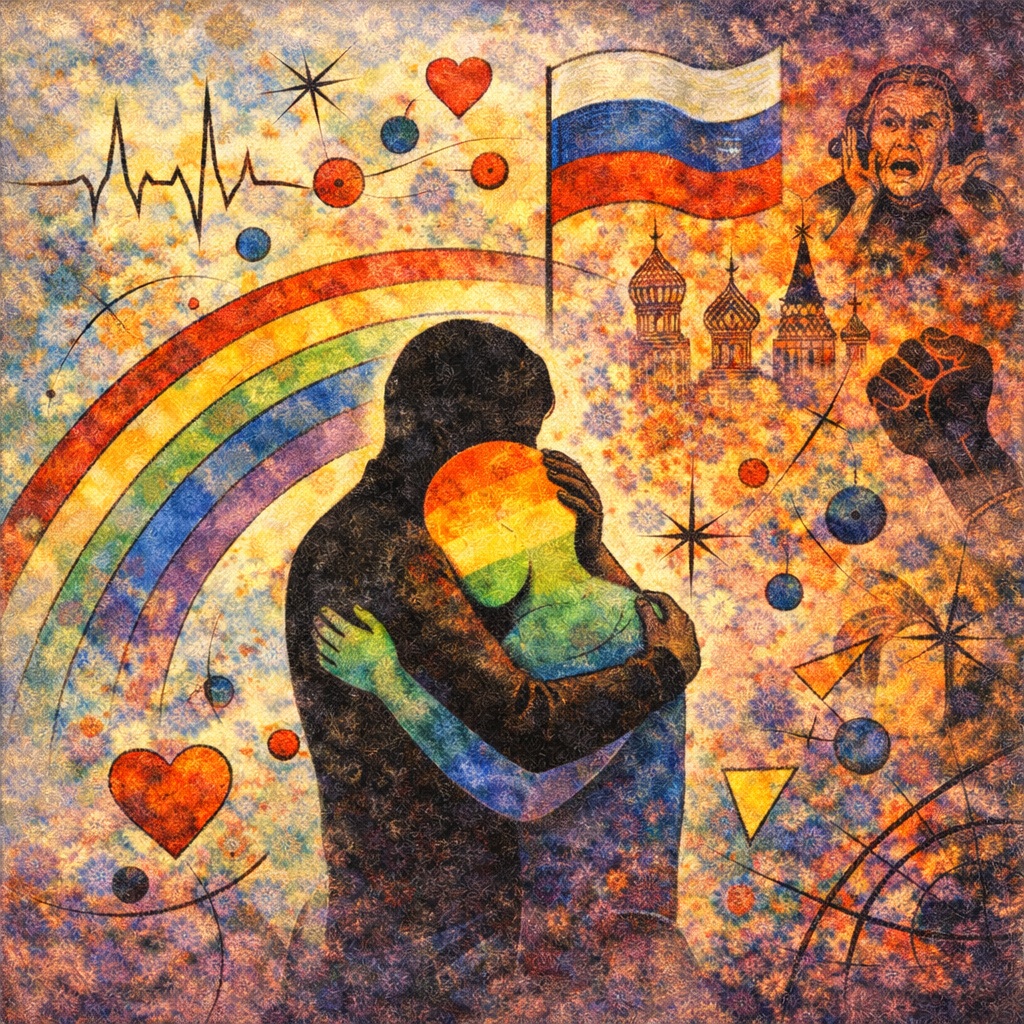
I completely understand you if you hold traditional values and suddenly your child tells you something like this about themselves. Unfortunately, when you live in Russia (and not in a more open and safe society), hearing this can be frightening — you worry about your child, about yourself, even about how neighbors might react. In a normal, safe country, this question would hardly arise at all. Why? Because you love your child, don’t you? That means you care about their well-being and want them to be happy. And then you realize how hostile the environment around you is — and suddenly your child is LGBTQ+. What should you do? How do you accept it? Accept it as it is, because there is nothing wrong with it. This is your child, and you love them. Be grateful that despite all the fear and pressure present in today’s Russia, your child trusted you enough to share something so personal. And most importantly, remember this: you are a strong person. You can protect your child, and if necessary, help them leave an unsafe and hostile country.
Does the police protect LGBTQ+ people in Russia?
2018-01-24
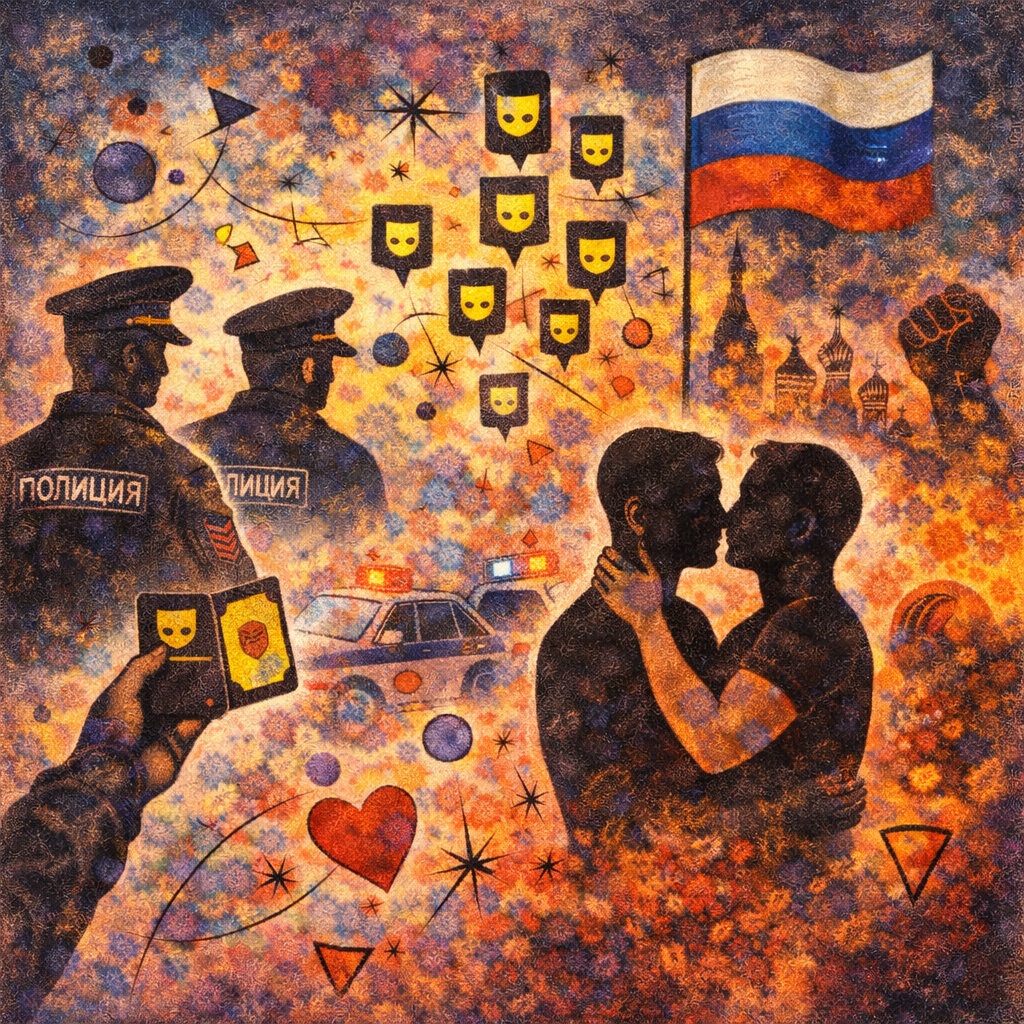
No — they do not protect LGBTQ+ people. On the contrary, in Moscow the police themselves have become a serious problem for LGBTQ+ individuals. Entrapment through fake dates followed by extortion is often carried out by people connected to law enforcement. I am not claiming that every police officer in Moscow behaves this way, but personally I have never encountered real counterexamples. Similar situations exist in other regions as well. The situation has also worsened in Saint Petersburg, which has effectively lost its reputation as a relatively safer city for gay people. It is no longer just society that exerts pressure — the state itself does. And what is the police? The police are a state institution.
Cruising in Moscow for gay men?
2018-01-19
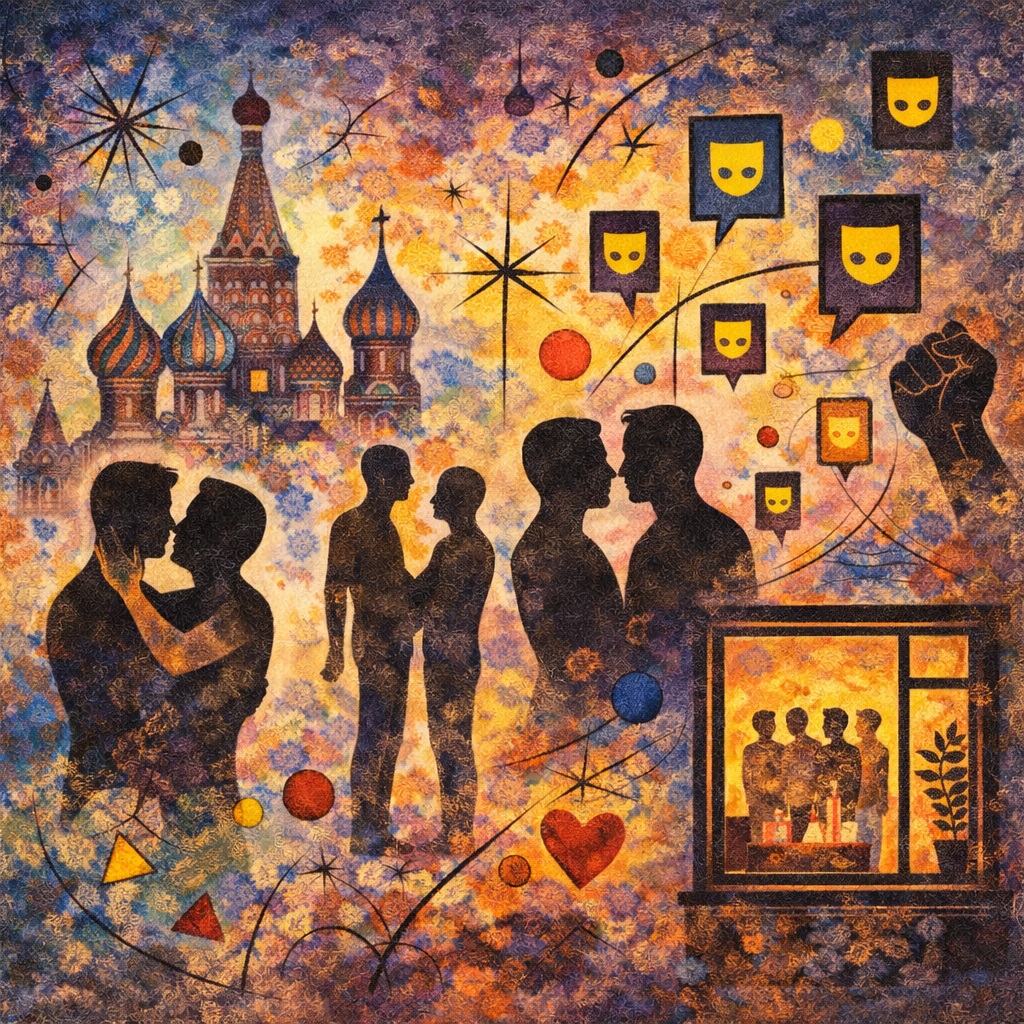
Fake dates in Moscow have become a serious problem — robberies, assaults, secret filming followed by blackmail. All of this has undermined trust even in platforms once considered relatively reliable, such as Grindr. I won’t even mention the rest. The only real alternative left is old-fashioned, in-person знакомства. Even people who are always busy end up going to saunas and venues known within the community (places understood to be gay-friendly). The classics include places like , , , and . One caveat is that some of these places can feel a bit too public for people who value privacy — and many of us do. Personally, the safest option for me has always been private apartment gatherings, invitation-only. That’s where real connections form and the risk of running into dangerous or unstable people is minimal. Unfortunately, in Russia, this often feels like the only workable solution.
Where can an LGBTQ+ person leave Russia to live safely?
2018-01-08
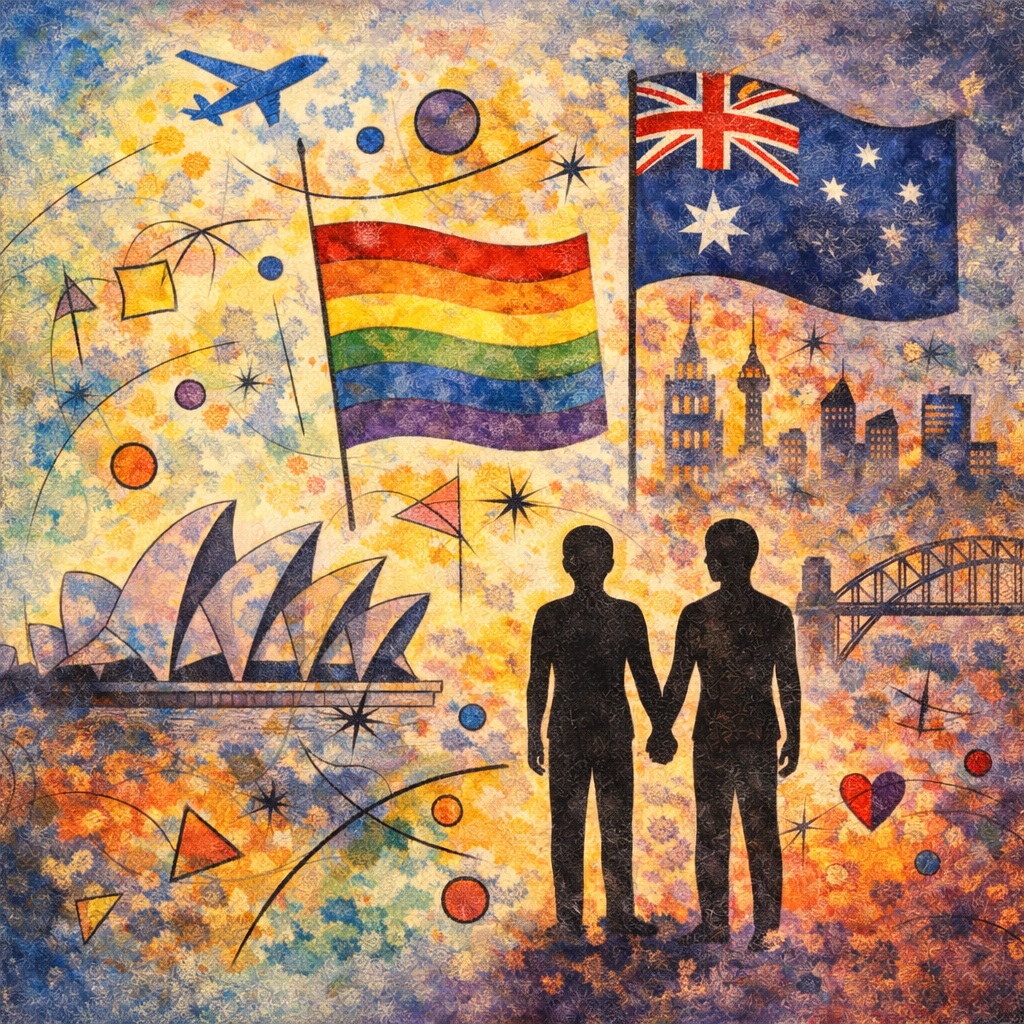
This is not an easy question, and there is no simple answer. In light of recent events, more and more of us are thinking about leaving Russia behind and trying to forget it like a bad dream. Many people want ordinary, open relationships — to be accepted by friends, to have intimacy without risking their life or health, and to live without workplace discrimination (so many of us have been fired simply for being "different"). Honestly, I do not believe Russia will change within our lifetime, and many of us no longer have the strength to keep fighting. We just want to live a normal life. When it comes to where to go, it is worth looking at countries in the European Union and the so-called "New World" (North America, Australia, New Zealand). One possible option is Australia. Based on my own analysis, many other countries are only nominally safe for us — on paper things look fine, but in reality the situation can feel disturbingly similar to Russia.
Is it okay to cheat on your partner?
2018-01-02
I was asked a good question the other day. From the perspective of the moral norms commonly accepted in modern Russia (which are quite conservative), the answer is no. From the perspective of personal happiness, however — if this is something you genuinely need — then yes. The real question is: why not talk to your partner openly about wanting intimacy with someone else? There is nothing inherently wrong with honesty. Why lie? Of course, some people even find secrecy itself exciting — the whole "spy game" aspect. But overall, in my view, there is nothing wrong with having another connection, as long as it is not hidden. Honesty is essential in relationships. If someone truly loves you, they should be able to accept you as you are — even if you are not strictly monogamous. And if jealousy becomes overwhelming, perhaps this is simply not your person.
Where does hatred toward LGBTQ+ people in Russia come from?
2017-12-29
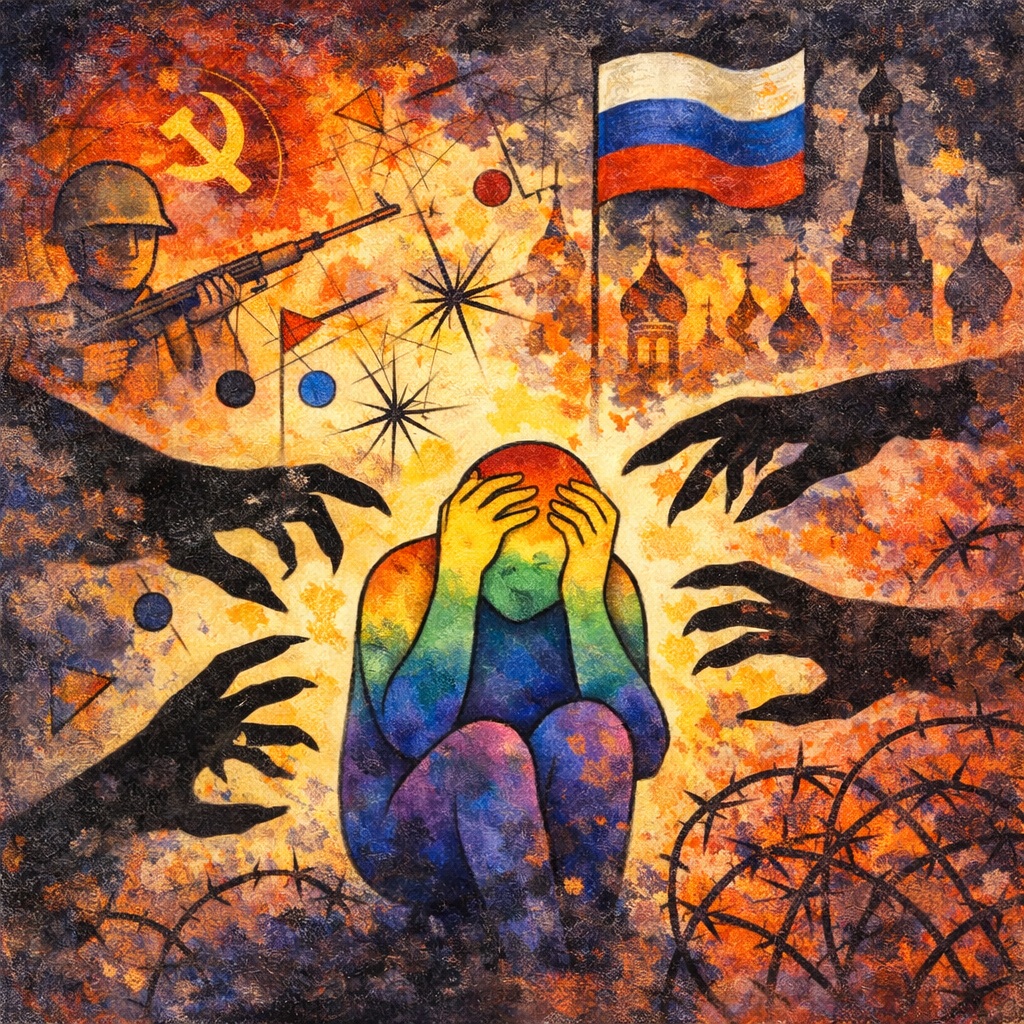
No — and this may be disappointing, but it is not simply the result of state pressure. Both in the Soviet Union and in modern Russia, hostility existed long before LGBTQ+ identities were criminalized. The authorities merely exploited this hatred to strengthen their own power. Russian society itself has long been hostile toward LGBTQ+ people. Why is that? Because throughout its long and painful history, people in Russia were subjected to constant violence, oppression, and dehumanization, which over time shaped what can only be described as a society trained to survive through cruelty. If you do not actively make free choices or force yourself to think independently in such an environment, you end up following this brutal paradigm. And what does such a system do? It destroys those who are different. After centuries of war, serfdom (a form of legal slavery abolished only in the 19th century), and rigid social control such as the Soviet residency permit system ("propiska"), very strict survival roles were formed. Anyone who does not fit into these roles is perceived as an outsider — someone to be eliminated. This is why being LGBTQ+ in Russia remains extremely dangerous. If you can leave — run.
My child is LGBTQ+. What should I do?
2017-12-21
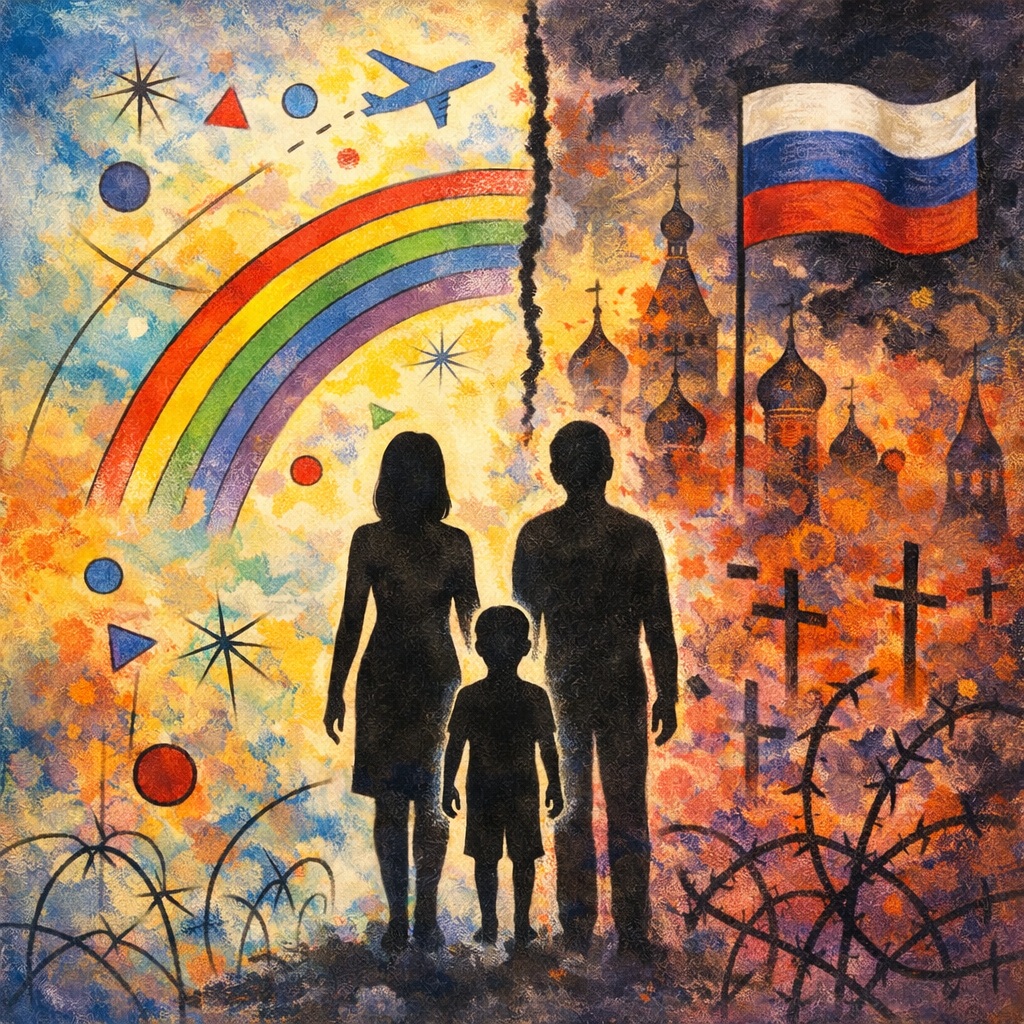
This is a very important question. In short — leave Russia. When? The sooner, the better. Where? To countries where LGBTQ+ people are protected and treated with dignity. Russia is currently an extremely intolerant and hostile environment for LGBTQ+ people (due to state policies, propaganda laws, and social violence). For the safety and happiness of your child, leaving as soon as possible is the most responsible choice. I closely follow the situation in the country and can say with confidence that conditions for people like us are only getting worse, and the momentum of repression will continue for a long time. I understand how frightening this decision is and how many things can hold you back. But from my perspective — especially as a Jewish person — the safety, happiness, and well-being of our children must always come first. That is why I repeat: leave.
What is gender dysphoria (in simple terms)?
2017-12-14
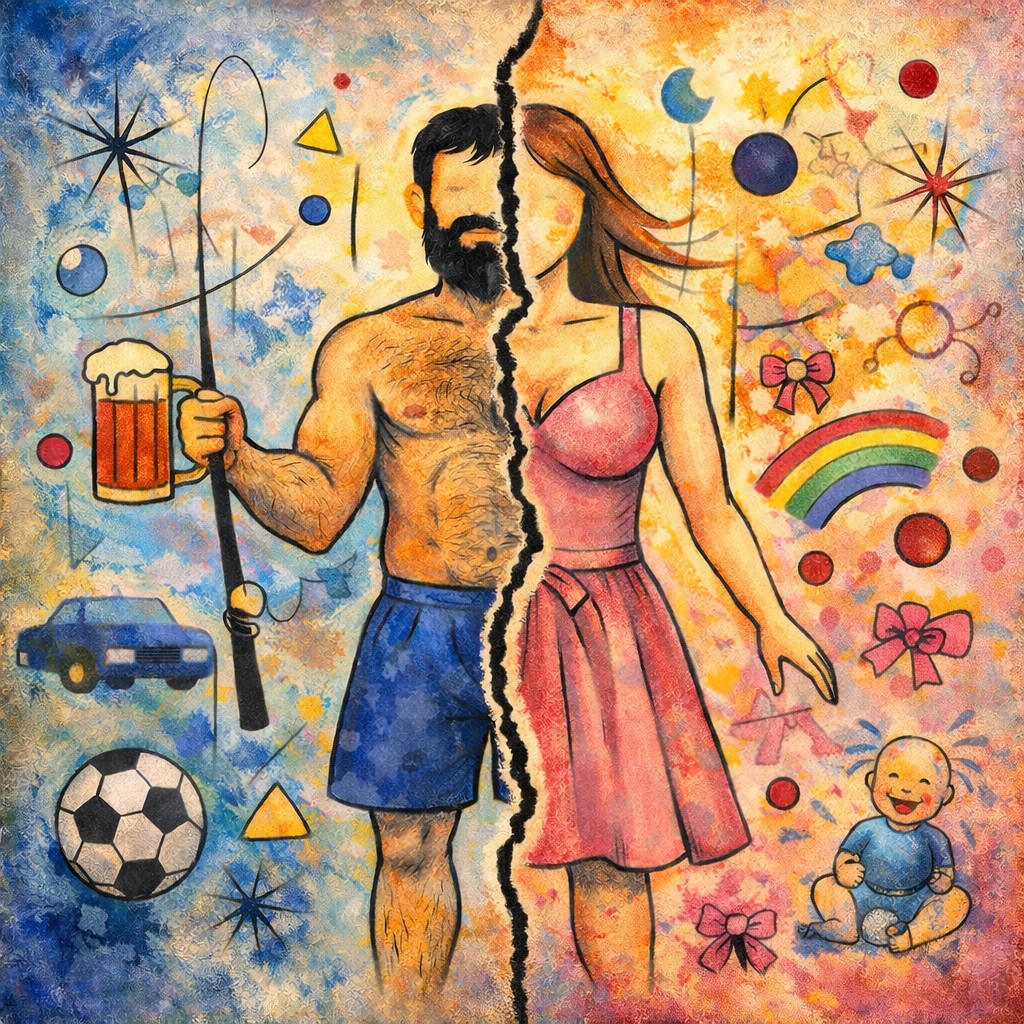
Gender dysphoria is the feeling that you were born in the wrong body. It is an extremely distressing experience. Imagine, for example, that you see yourself as a traditionally masculine person — strong, tough, into cars, sports, fishing, and all the things society often associates with being a "real man." But reality turns out to be completely different: your body develops in a way that feels чуждо (alien) to you, with traits you never identified with, and even basic social expectations around clothing, roles, and future life choices are imposed on you. Over time, this creates deep confusion, pain, and a sense that something is fundamentally wrong. That feeling — of living in a body that does not match who you know yourself to be — is gender dysphoria. This is what people commonly refer to when they talk about transgender individuals. Life is already difficult enough for them (and for us); there is no need to harass, shame, or invent conspiracy theories. Much better is to offer support — to allow people to go through their gender transition and live as who they truly are. Personally, I believe that access to gender transition–related care should be free and guaranteed by the state in every country.
Why is being a lesbian considered cool?
2017-12-01
Earlier, I already spoke about what is truly valuable and what is better to avoid. I hold moderate views and have the right to my own opinion. I believe that the reaction “It’s cool to be who I was born as” often emerges as a response to external pressure. Should one react to such pressure? The real question is — how. If it means proactively trying to change something for the better, then yes. But if it turns into building a personal cult around oneself, I believe the answer is no. Despite all external differences, the Creator made us all equal, and in the end, it is simply good to be in this world — to exist and to live.